
Peacekeeping: What’s happening across Africa and why it matters
Peacekeeping shapes daily life for millions across the continent. From UN missions to African Union and regional force deployments, these operations try to stop violence, protect civilians, and create space for politics and recovery. If you want clear updates and practical context, this tag collects reporting, alerts, and analysis from hotspots and peace talks you should watch.
Think of peacekeeping as a toolbox. Some missions monitor ceasefires. Others escort aid convoys, train local police, clear mines, or help run elections. The mandate matters: a Chapter VI mandate focuses on consent and diplomacy. Chapter VII allows stronger action when peace is under direct threat. Knowing the mandate helps you judge what a mission can and cannot do on the ground.
Key trends to watch
Funding and troop contributions decide how effective a mission can be. Many UN missions in Africa rely on a handful of troop-contributing countries. When budgets are tight, patrols shrink and response times lag. Another trend is regional leadership: the African Union and groups like ECOWAS often take the lead in fast-moving crises because they act faster and understand local politics better.
Mandate creep and mission overlap also matter. Sometimes international and regional forces work in the same area with different goals. That creates confusion for local communities and for aid groups. Watch for clearer coordination plans or, conversely, for public disputes between mission leaders and host governments. Those fights usually spell trouble for civilians on the ground.
Real cases that show what’s at stake
Look at eastern DR Congo. Political moves—like the return of high-profile figures to rebel-held areas—can quickly change security needs and force a re-think of peacekeeping roles. When politics shifts, missions need new resources or different mandates. In South Africa, rising xenophobic violence shows how state weakness and poor services can spark local unrest that calls for protection and long-term political fixes, not just patrols.
Accountability remains a sore point. Troop discipline, civilian harm, and allegations of abuse undermine support for missions. When that happens, donors and host nations get jittery, which can shorten or limit operations. Reporting on these issues helps pressure institutions to act and keeps operations honest.
How to follow peacekeeping smarter: subscribe to mission briefings from the UN and AU, track statements from troop contributors, and read dispatches from trusted local journalists and NGOs. Watch mandate renewals at the UN Security Council: those votes show changes in how the world plans to respond.
If you care about African stability, check this tag regularly. You’ll find on-the-ground reports, analysis of mandate changes, and updates when peacekeepers shift roles. Bookmark the page, sign up for alerts, and help spread factual updates—accurate reporting saves lives and helps shape better responses.
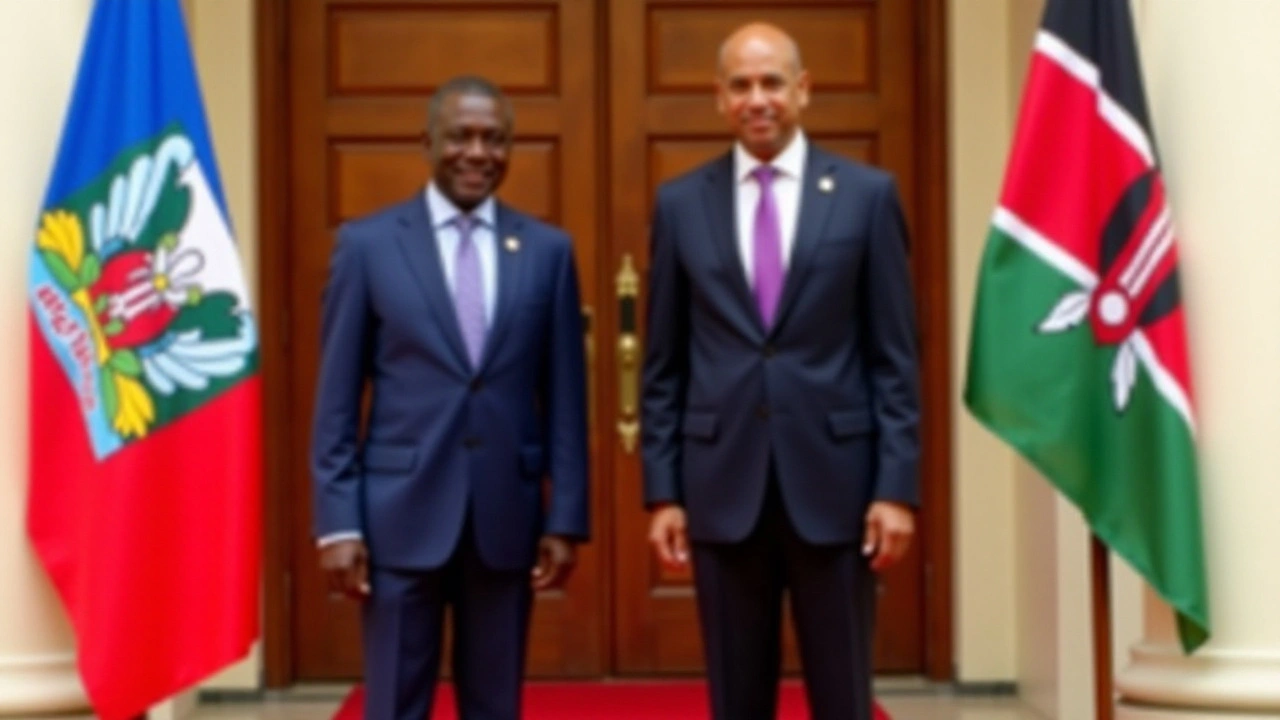
Haiti and Kenya Call for Enhanced Global Support for Peacekeeping Mission Amid Persistent Challenges
Haiti's Prime Minister Garry Conille and Kenya's President William Ruto are appealing to global allies to amplify their support for the U.N.-backed peacekeeping mission in Haiti. With rampant gang violence and an alarming funding shortfall, the mission is struggling to meet its goals. Additional support from countries is crucial, as the political and social stability of Haiti hangs in the balance.
Recent-posts

May, 11 2024

Dec, 1 2025

Jun, 23 2024

Sep, 28 2024

Feb, 10 2025