
Player Selection: How Teams Choose Who Plays and Why It Matters
When a coach decides who starts a match, they’re not just picking players—they’re making a player selection, the process of choosing which athletes play based on form, fitness, tactics, and team dynamics. Also known as team lineup decisions, it’s one of the most high-stakes moves in sports. A single wrong choice can cost a title, end a season, or break fan trust. It’s not about who’s the most famous or who scored last week. It’s about who’s ready right now—physically, mentally, and tactically.
This is where injury crisis, a situation where key players are unavailable due to physical setbacks, forcing coaches to adapt becomes a real test. Look at PSG’s win over Lyon—without Hakimi and Dembélé, they had to reshuffle the entire backline. João Neves, a young midfielder who rarely started, got the call and scored the winner. That’s not luck. That’s smart player selection under pressure. Same with Lazio fielding Serie A’s oldest starting XI. They didn’t pick veterans because they were nostalgic—they picked them because their experience controlled the tempo against a faster opponent. Meanwhile, Leeds and Villa both dealt with injury-hit defenses, forcing backups into roles they hadn’t trained for. Player selection in those cases wasn’t about potential—it was about survival.
And it’s not just injuries. Sometimes, it’s about legacy. Mats Hummels played his likely final match for Dortmund against Juventus—not because he was still the best defender, but because his leadership and understanding of the game still mattered more than speed. On the flip side, Ryan Babel came off the bench for Liverpool Legends and scored the winner—not because he was the top scorer in his prime, but because his experience in big moments still counted. That’s the hidden layer of player selection: knowing when to trust the veteran, when to gamble on the young one, and when to sacrifice style for grit.
Behind every lineup is a mountain of data: fitness tests, video reviews, opponent tendencies, even weather forecasts. But in the end, it’s always a human call. A coach looks at the clock, checks the medical report, listens to the captain, and makes a call that could define a season. That’s why player selection isn’t a science—it’s a craft. And the stories below show exactly how that craft plays out on the pitch, from charity matches in London to World Cup qualifiers in Juba. What you’ll see here isn’t just match results. It’s the real-time decisions that shape football—and sometimes, change careers.
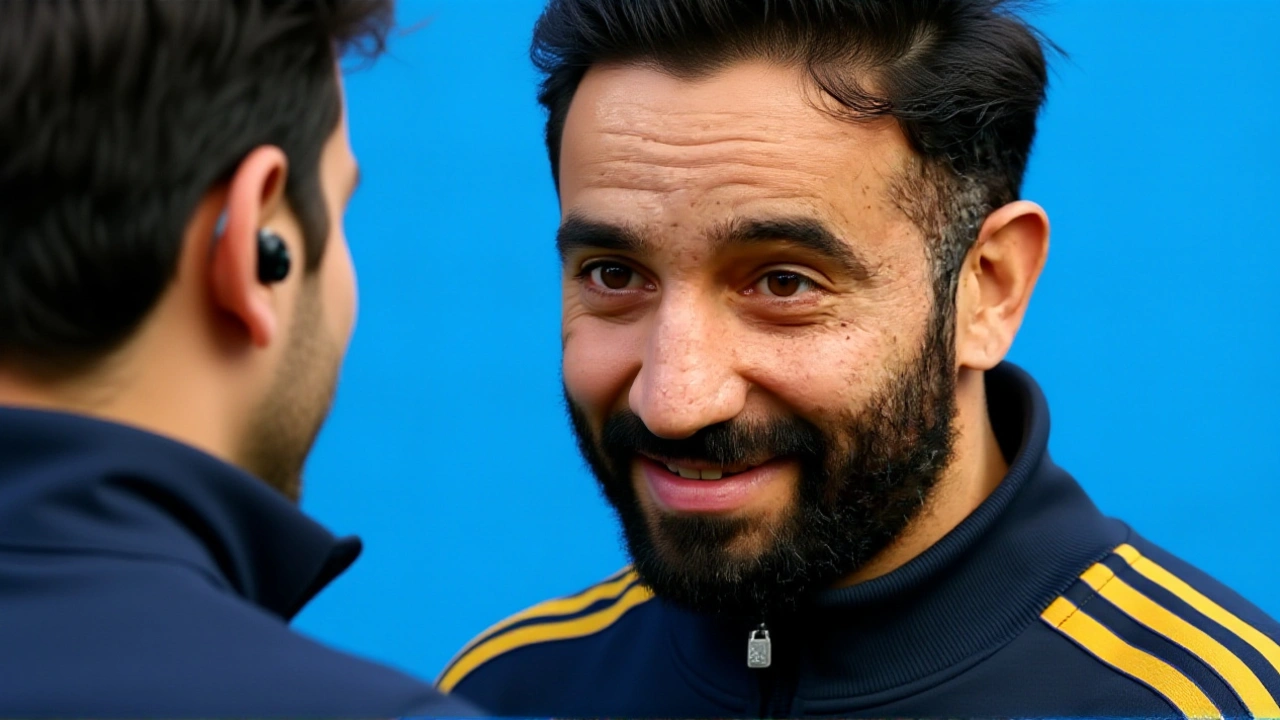
Mark Goldbridge demands Ruben Amorim drop Luke Shaw and Casemiro after United’s 2-1 loss to West Ham, warning that sticking with underperforming veterans risks alienating fans and ownership amid a dismal 13th-place Premier League position.
Recent-posts

Jun, 27 2025

Jul, 8 2024

Sep, 26 2024

Jun, 12 2024

Oct, 29 2024