
Injury Concerns in Sports: How Athletes and Teams Navigate Crises
When a key player goes down with an injury concerns, physical setbacks that disrupt performance, training, and team strategy, it’s not just a medical issue—it’s a domino effect. One missed starter can shift tactics, force untested backups into high-pressure roles, and even alter a team’s entire season. In football, where timing and chemistry matter as much as skill, an injury isn’t just a pause—it’s a pivot point.
Football injuries, commonly affecting knees, hamstrings, and ankles, are the silent killers of momentum. Look at PSG’s 3-2 win over Lyon: they were down to injured stars like Hakimi and Dembélé, yet still pulled off a last-minute winner. That’s not luck—it’s depth, preparation, and quick adaptation. Same goes for Dortmund’s loss to Juventus, where Hummels’ farewell match came amid a squad already stretched thin. These aren’t isolated cases. Teams like Lazio, fielding Serie A’s oldest starting XI, face injury risks that grow with age, making recovery protocols and rotation strategies non-negotiable.
Sports recovery, the science behind getting athletes back on the field safely and quickly, has evolved from ice baths and rest to AI-driven analytics, personalized rehab plans, and real-time biometric monitoring. Clubs now track everything from muscle fatigue to sleep patterns to predict when someone’s at risk. But even the best systems can’t stop every injury. That’s why player fitness, a state of readiness that combines strength, mobility, and mental resilience is the real long-term game. Teams that invest in conditioning—not just talent—survive injury waves. Bafana Bafana’s coach Hugo Broos knows this: he’s pushing his squad to focus before the Rwanda clash because one injury could derail World Cup dreams.
The ripple effects go beyond the pitch. When Ryan Babel scored that 87th-minute winner for Liverpool Legends, it wasn’t just a charity match—it was a reminder that even retired players carry the physical toll of years in the game. Meanwhile, in Africa’s growing sports economy, injury concerns are becoming a financial issue too. Clubs with limited budgets can’t afford to lose key players for months. That’s why teams from DR Congo to Kenya are starting to treat injury prevention like a core business function, not an afterthought.
What you’ll find in this collection isn’t just headlines about who’s out. It’s the story behind the headlines: the tactical shifts, the emotional weight, the quiet work of physios and analysts, and the resilience of athletes who refuse to let setbacks define them. From last-minute winners to aging squads holding on, these stories show how injury concerns don’t end games—they redefine them.
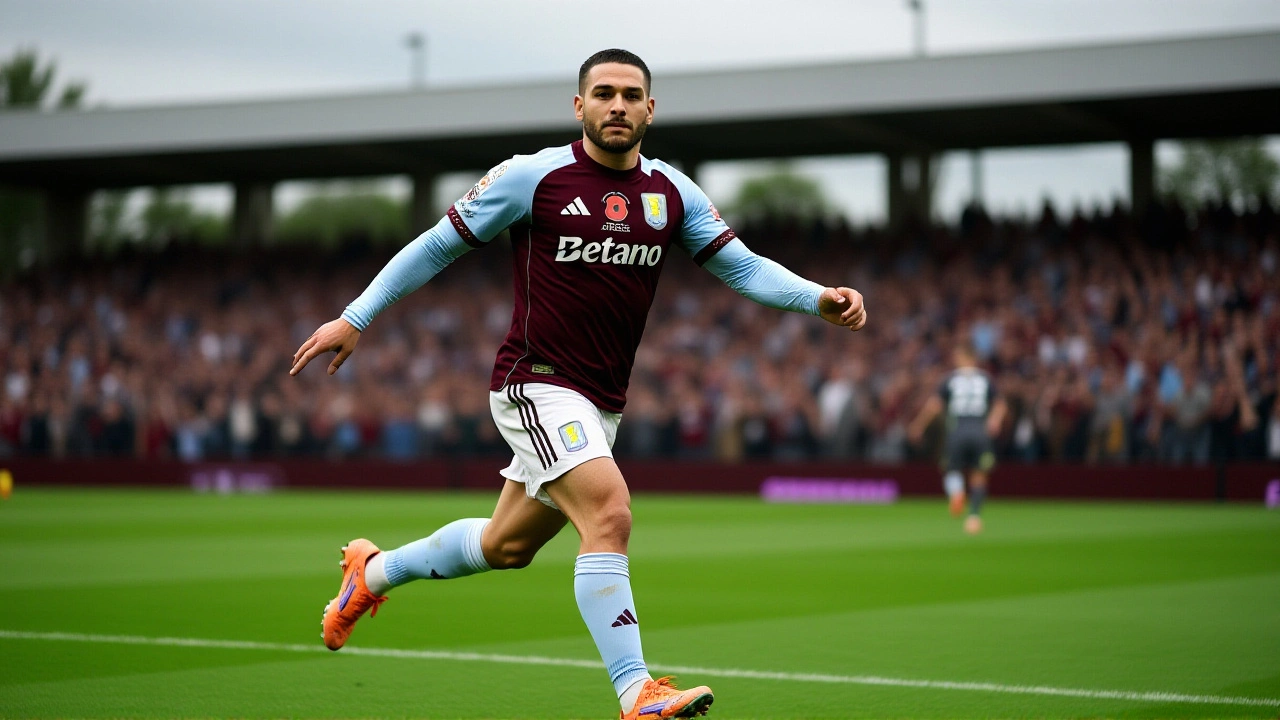
Leeds United and Aston Villa face off at Elland Road on November 23, 2025, with both teams missing key defenders. Ampadu and McGinn lead injury-hit lineups in a tactical battle that could shape their Premier League seasons.
Recent-posts
Oct, 5 2025
Jun, 28 2024
Jun, 5 2024

Sep, 22 2024

Sep, 27 2025