
NNPC: Nigeria's National Petroleum Corporation and Its Role in Africa's Energy Future
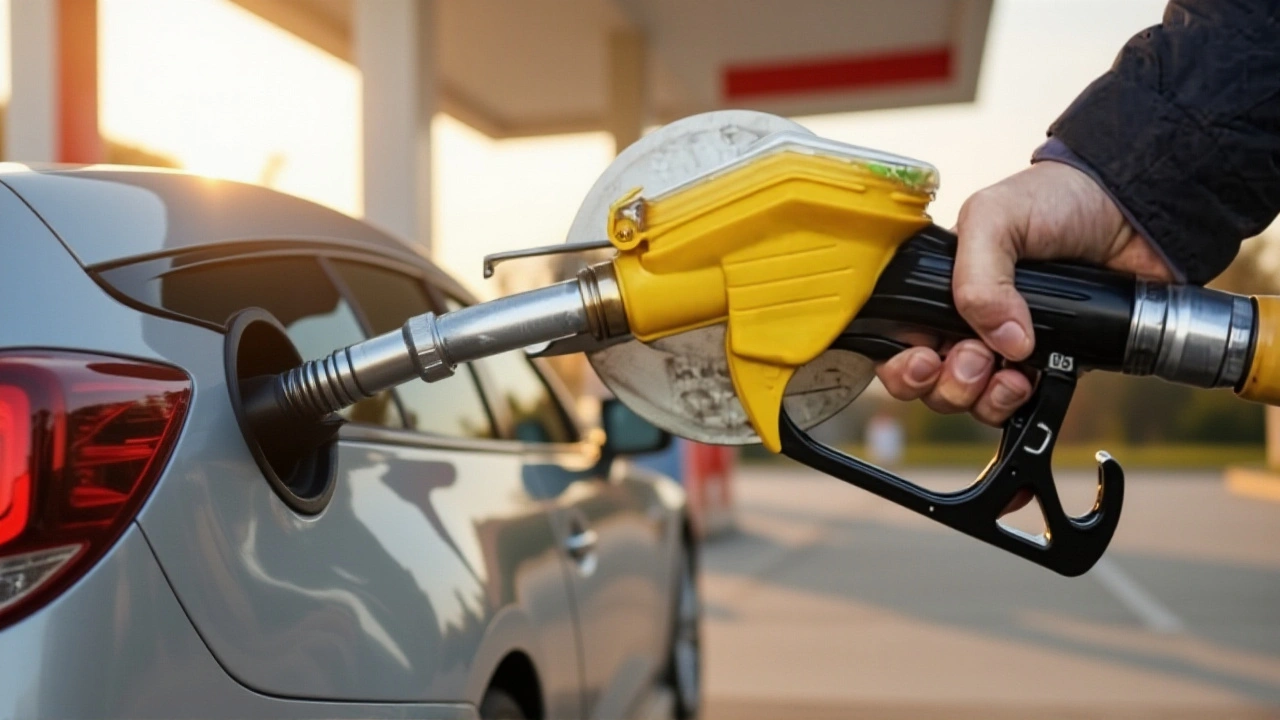
When you hear NNPC, Nigeria's National Petroleum Corporation, the state-owned giant that controls the country’s oil and gas operations. Also known as the Nigerian National Petroleum Company, it’s the engine behind one of Africa’s biggest economies and a key player in global crude supply. This isn’t just a company—it’s a system that touches everything from fuel prices in Lagos to export deals with China and Europe.
NNPC doesn’t just pump oil. It runs pipelines, refines fuel, negotiates joint ventures with Shell and Total, and funds infrastructure projects that keep the lights on in Nigerian towns. Its partnership with China on the $10 billion Dangote Refinery, for example, isn’t just a business deal—it’s a shift in how Africa handles its own resources. And when NNPC signs a $1.4 billion deal to revive the TAZARA railway, as seen in one of our posts, you start to see how energy and transport are tied together across borders. This is why NNPC matters beyond Nigeria: it’s a model for how resource-rich African nations can leverage state power to build regional networks.
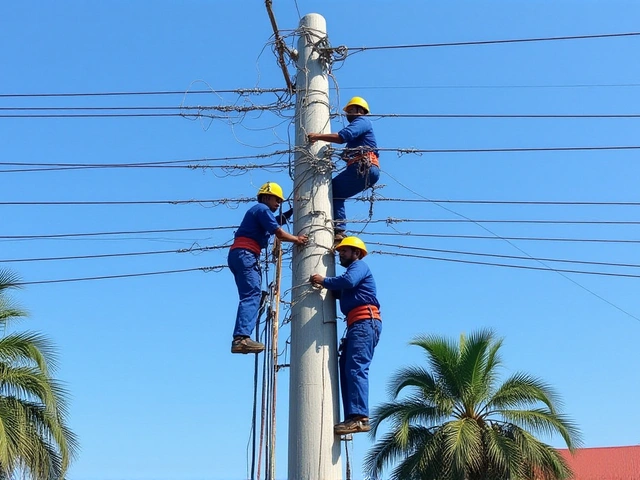
But it’s not all smooth sailing. NNPC has faced criticism over transparency, corruption, and underinvestment in local refining. Yet, recent reforms under the NNPC Limited restructuring aim to fix that. The company now reports like a private firm, and its new $7.9 billion Hydrogen Polis project in Nigeria shows it’s betting big on green energy too. That’s not just future talk—it’s a direct response to global pressure and the need to diversify. Meanwhile, when tomato prices drop because of rice tariffs, or when Kenya Power buys transformers to fix the grid, you’re seeing the ripple effects of energy policy. NNPC’s decisions don’t stay in Abuja. They hit markets, farms, and households across West Africa.
What you’ll find below is a collection of stories that connect NNPC to the real world: from oil deals that reshape trade routes to energy projects that change how farmers survive loadshedding. These aren’t press releases. They’re snapshots of power, politics, and survival shaped by the decisions made at NNPC’s headquarters—and the people affected by them.
Recent-posts
Oct, 3 2025

Dec, 16 2024

Mar, 30 2026

Sep, 19 2024

Sep, 23 2024